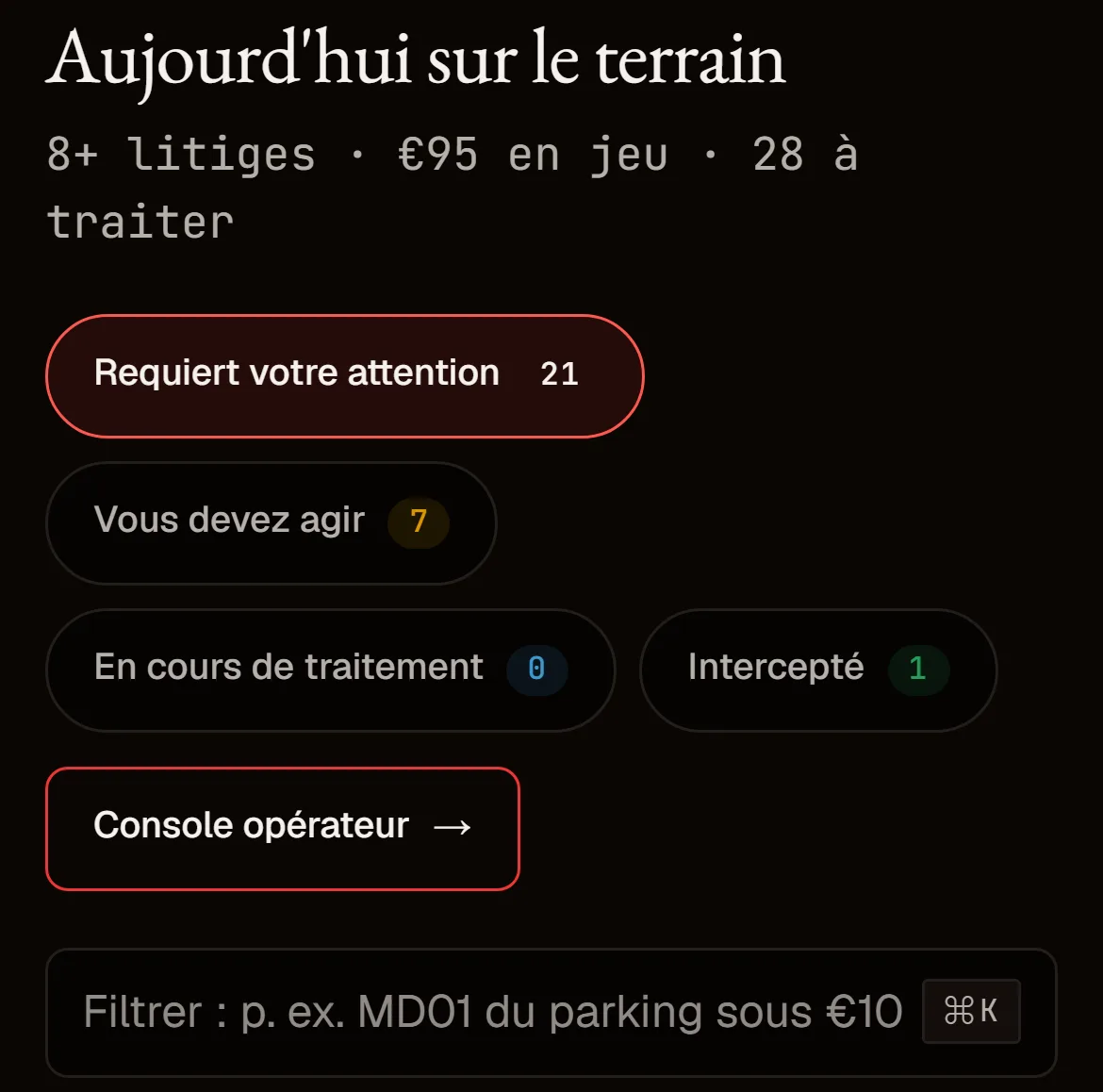
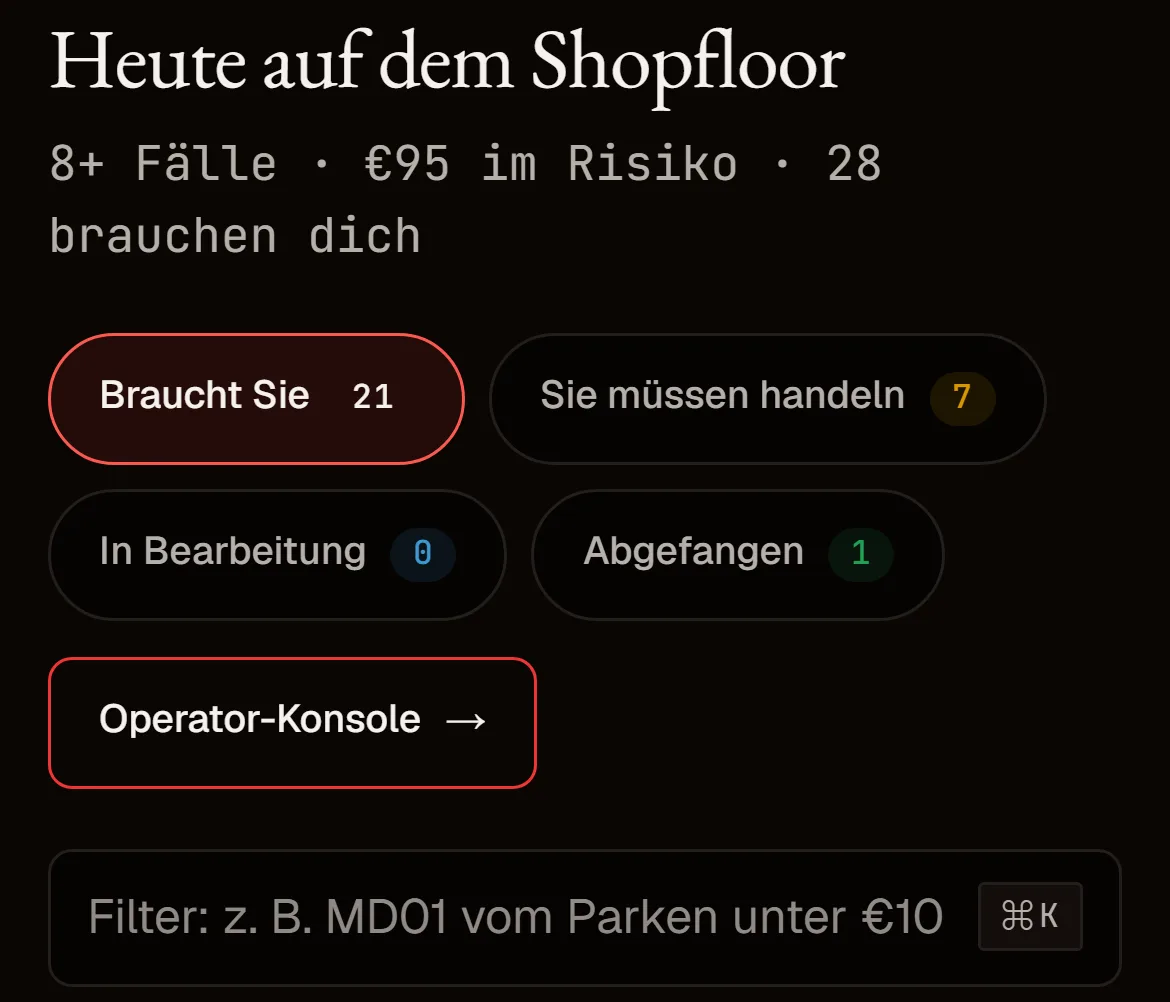
Which of the flagged sellers did we pay anyway, and what came back?
None of the held payouts went out, and the totals tie.
Money in your flow
AI on your money
Check it before you sign or ship
Have it designed and built
Keep it right afterwards
The work
Tools

Independent payments architect Amsterdam
Where did this euro go, and who decided? Most of what a payment flow does with a company’s money was never decided by anybody. In most companies the answer takes a week.
and when it needs to change, I’m a fixed quote away
The last one I handed over went from one paragraph to a platform with its manual in under four months, designed and built by me for a Dutch fintech.
I review, design, build, change and watch over any payment flow a company runs:
For paying out, refunding and settling, you can start from what I’ve already built: Bilanx, my own platform, which I set up on your own bank and processor. Any other flow starts from your first paragraph.
Which of the flagged sellers did we pay anyway, and what came back?
None of the held payouts went out, and the totals tie.
A customer disputes an order whose money already went to the seller: whose euro is it, and who decided?
The seller’s share was held from their next payout, before that payout went out.
What is in this deposit, and why don’t the sales add up to it?
The deposit ties to the cent, and the one line still unmatched is named on its own.
In a startup, pre-seed to Series A, whose product takes money or pays it out, the flow changes with every release, and the people running the company have had no reason to look at it: they find out what it does with a euro when somebody outside asks.
The same question, from all three
The payment code, written before the first customer paid and not opened since
The engineer who wrote it, taken off the roadmap to read their own code back
The next release, built and not shipped
In most companies one payment flow has a problem everybody knows about, put off quarter after quarter, and the people responsible for it stopped wanting it elegant long ago: they want to be able to say what it did.
Where did this euro go, and who decided?
Somebody senior, deciding whether they believe their own company
Still unanswered after the week
A flow I build answers that question itself: for any payment, it shows what was decided, on what evidence, under which rule, whether a person or a rule decided it, and when.
Whether a person or a rule sent the refund used to cover every possibility. Now there is a third: an AI agent sent it, and a flow has to be able to say that as plainly as it names the rule and the person.
The flows nobody worries about clear every payment, are monitored and have passed an audit, and the people who approved them were right to. Money still leaves them in places that never show up as a failure.
Your flow, clearing every payment
€55,000 to €90,000 of every €1 million Any three of these four, together on every payment the flow carries: the charge nobody checked, the change nobody measured, the block nobody lifted and the bill nobody sent
Most flows lose money at two or three of these places, and through one that carries €2 million a year, any three of those four take €110,000 to €180,000 every year, because finding it is nobody’s job.
On that flow, the smallest of the four, the charge nobody checked, takes the price of a Review, €7,500, every four and a half months, and the largest, the bill nobody sent, takes it every month.
Finding them and stopping them is my job: a Review tells you where money leaves your flow and whether stopping it is worth what that costs, a Design settles what the flow does with that money instead, and a Build makes the flow do it.
My latest project for a client is also the one most representative of my work: one payment flow, from its first message to its handover.
The client was an EY-accelerated, funded startup in Amsterdam with a PostNL pilot and a Mollie partnership.
Since the handover, MultiSafepay, a Dutch payment provider, has made the startup its preferred partner for payment disputes on cards, Klarna and other methods, and the startup won the Dutch round of Mastercard For Fintechs 2026, picked by the jury from five fintechs.
The project began with several of the startup’s own clients, businesses that collect from their customers by direct debit, taking each payment straight from a customer’s bank account on a permission signed once, and those businesses were losing six figures a month to returns: direct debits their customers take back.
The startup told me so in one short, plain paragraph, with no specification and one open question: did I have anything for this?
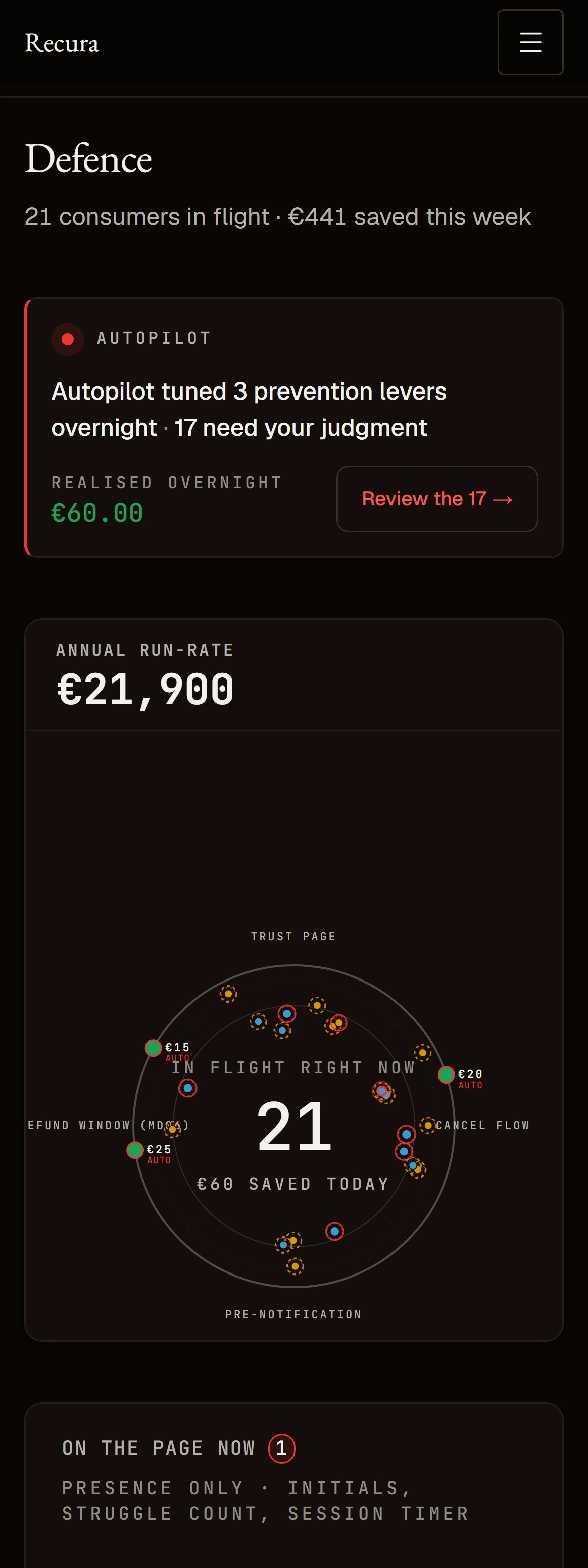
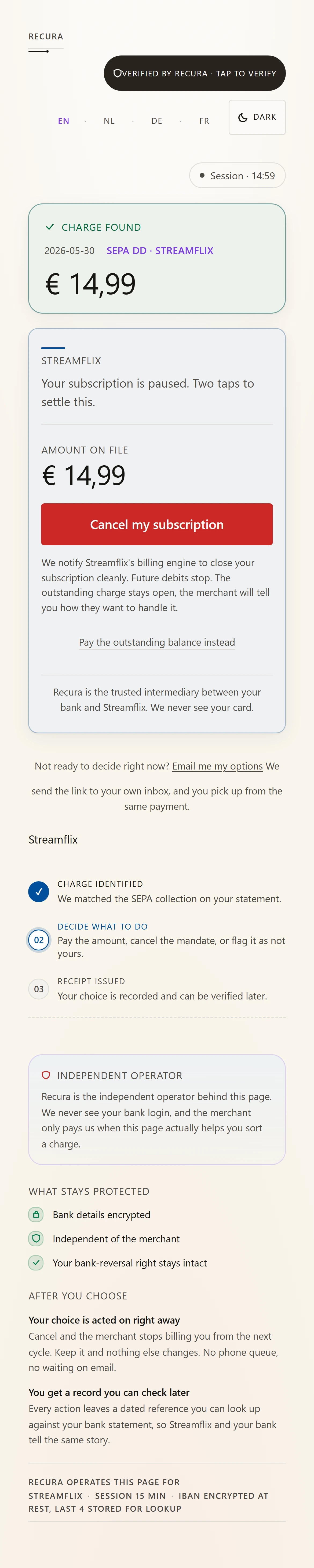
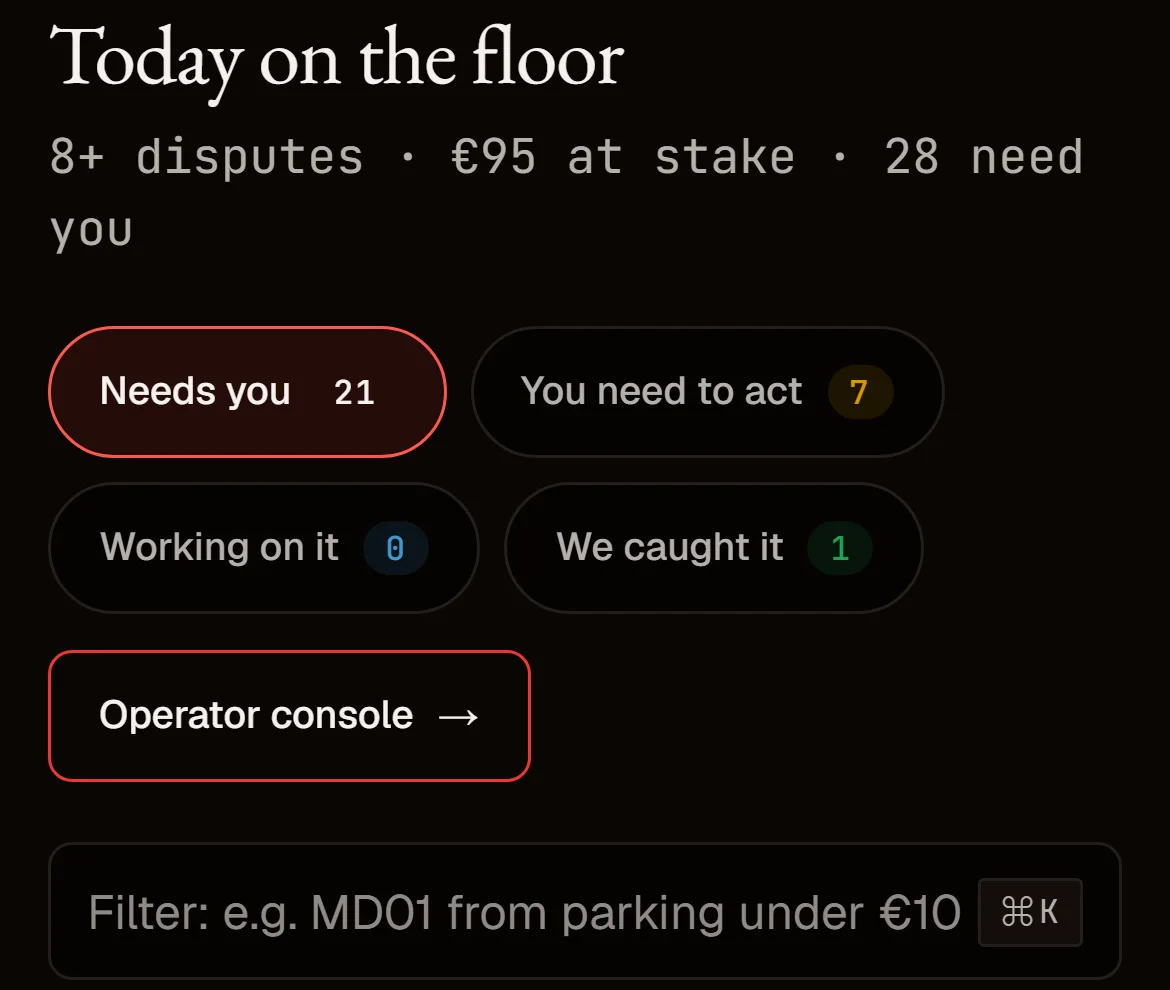
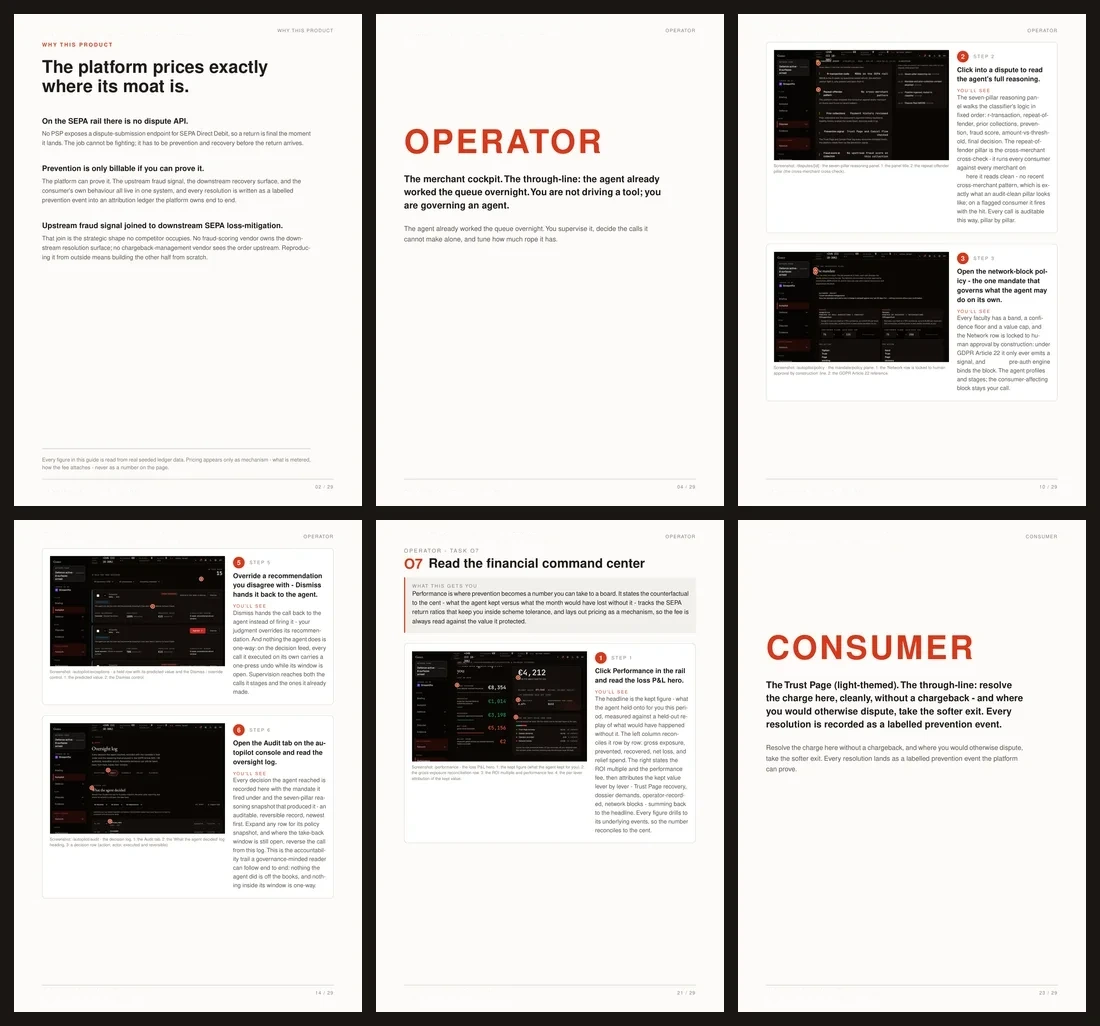
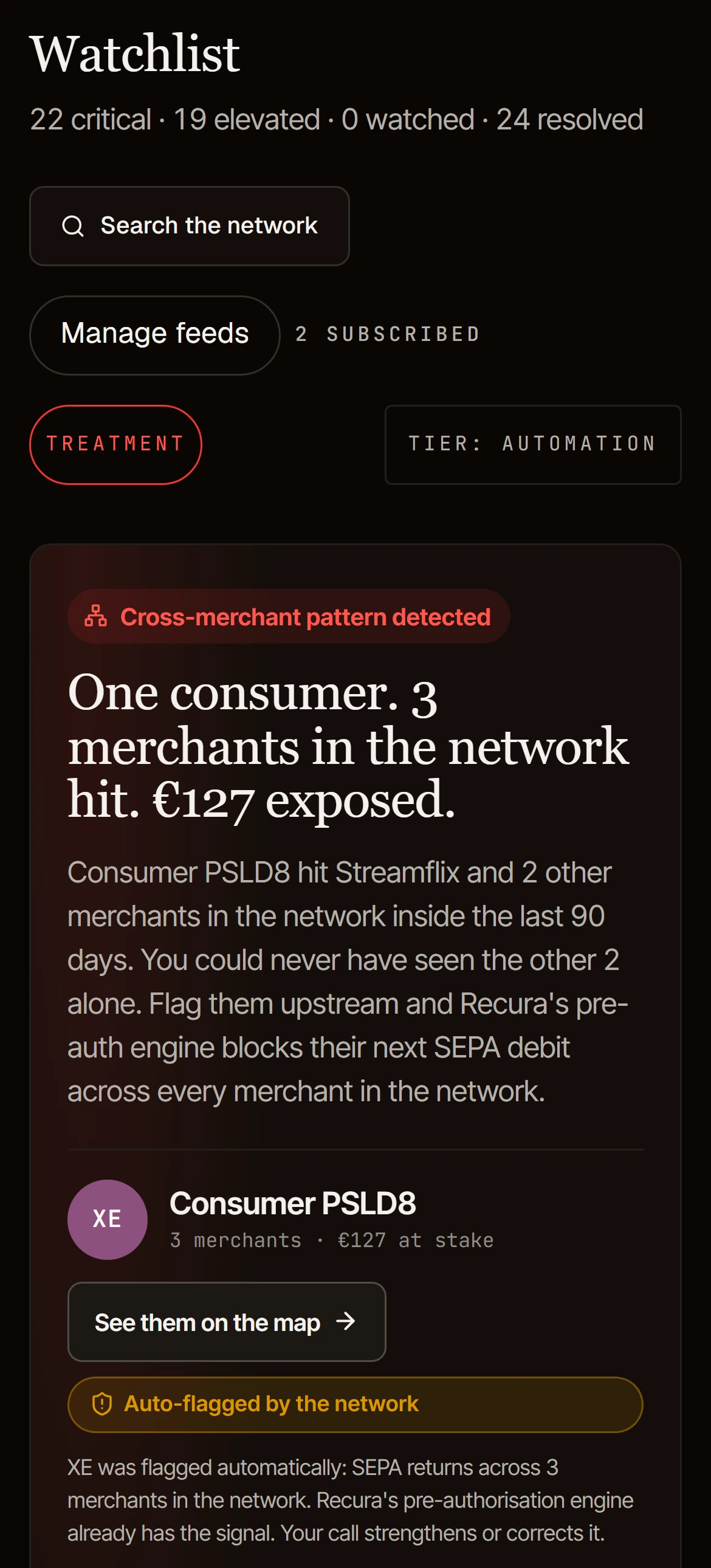
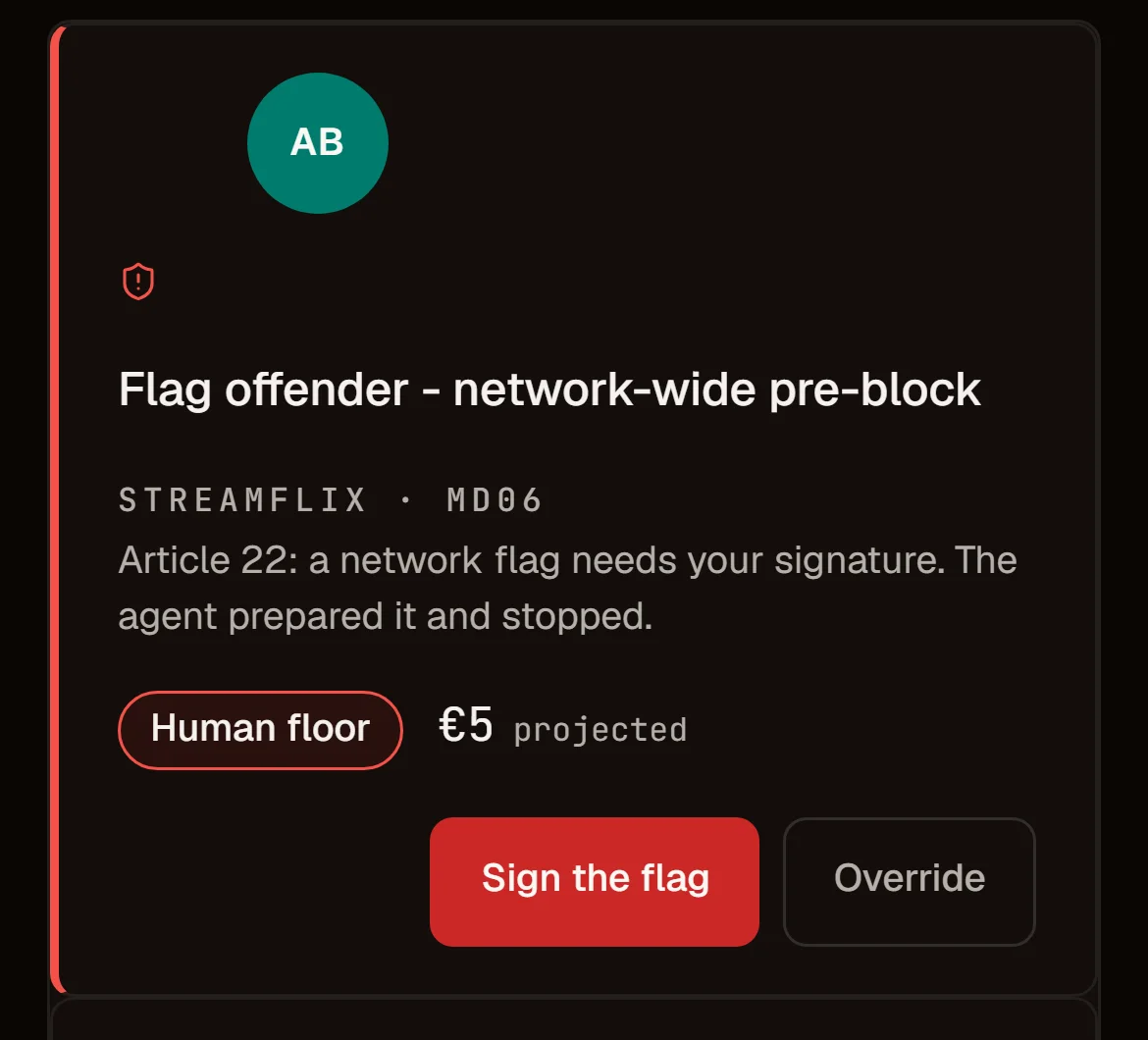
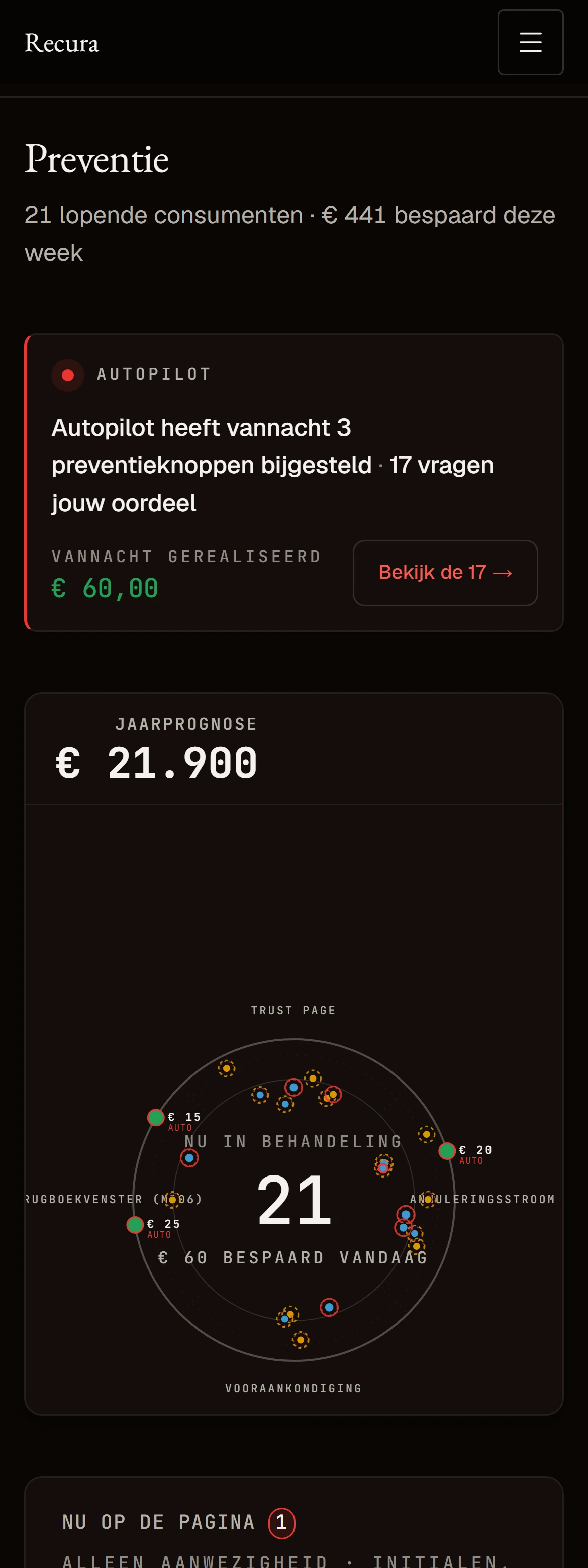
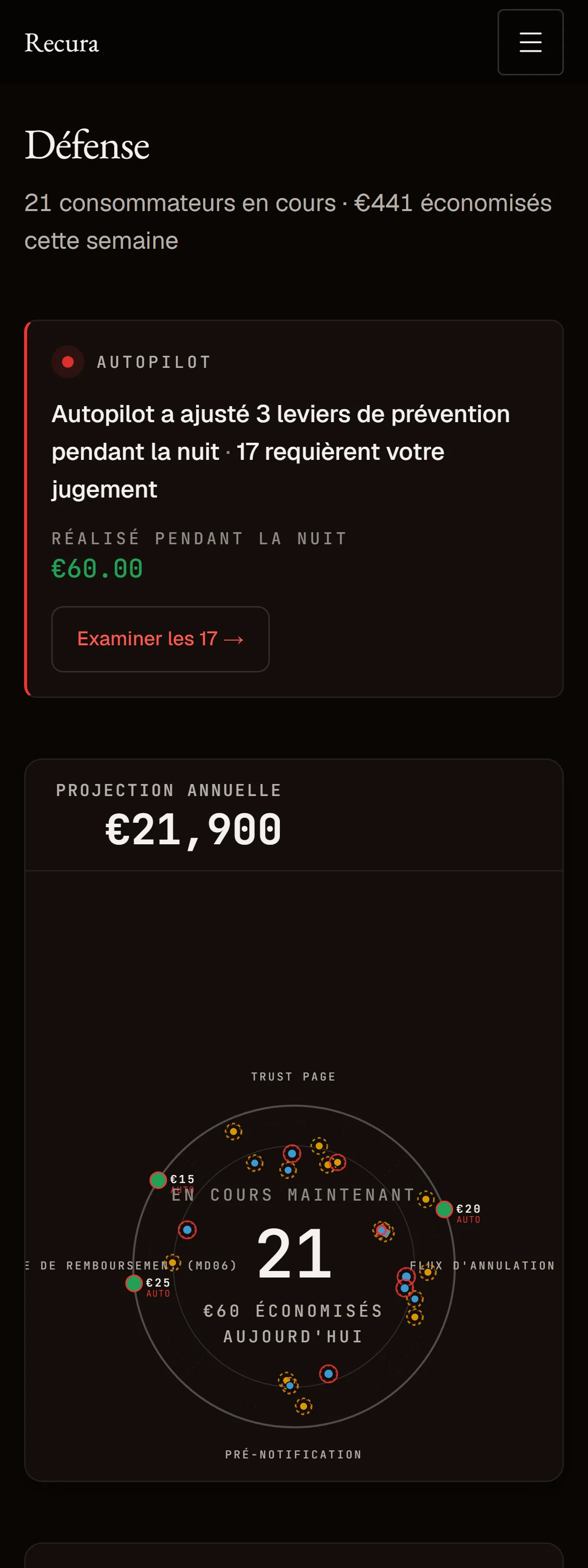
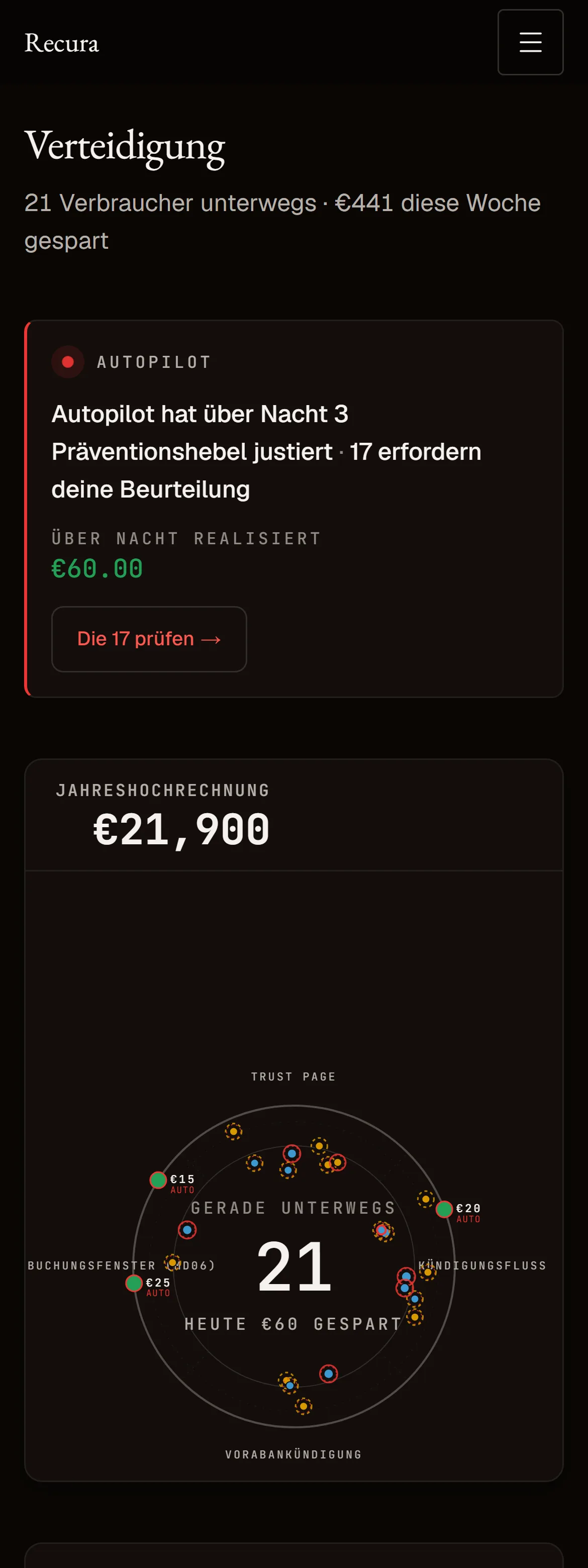
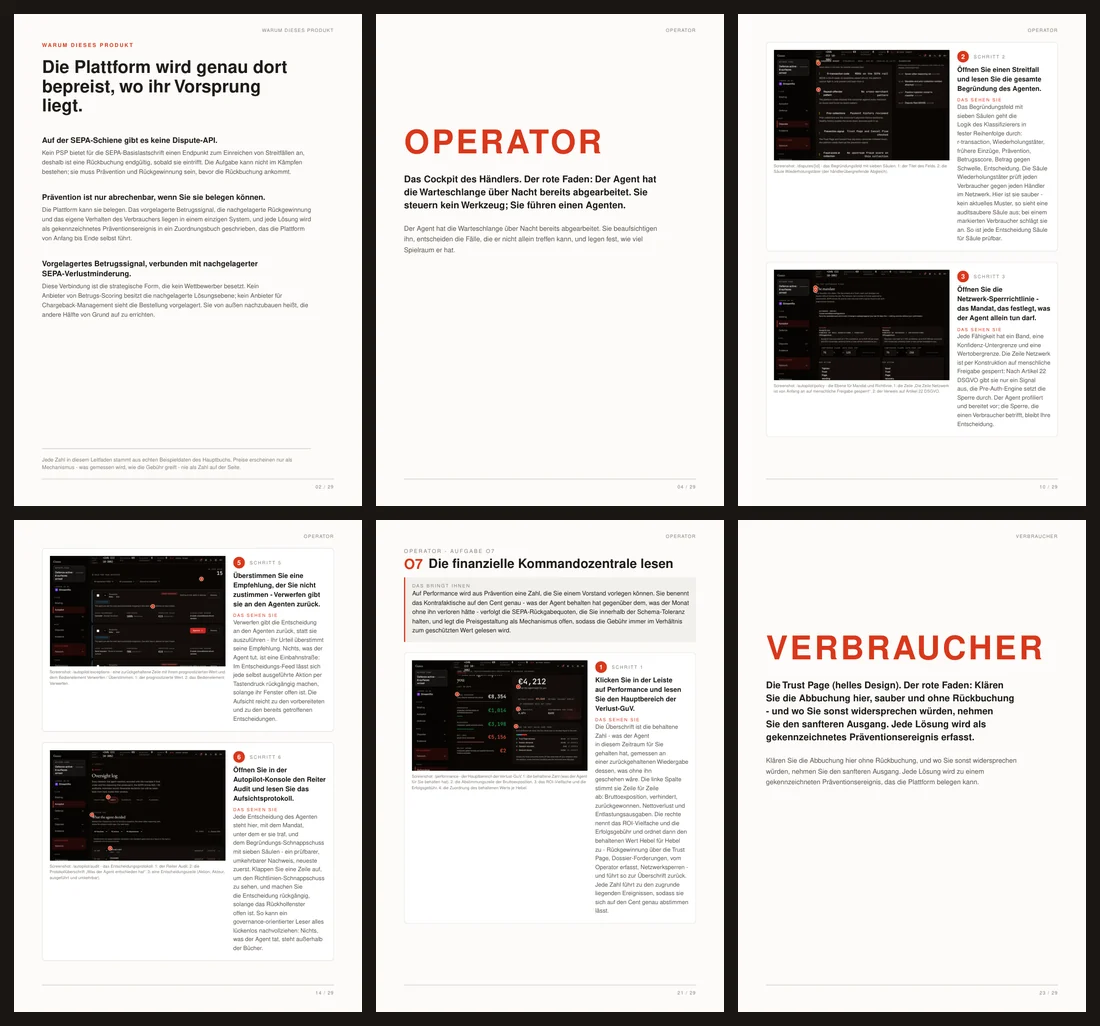
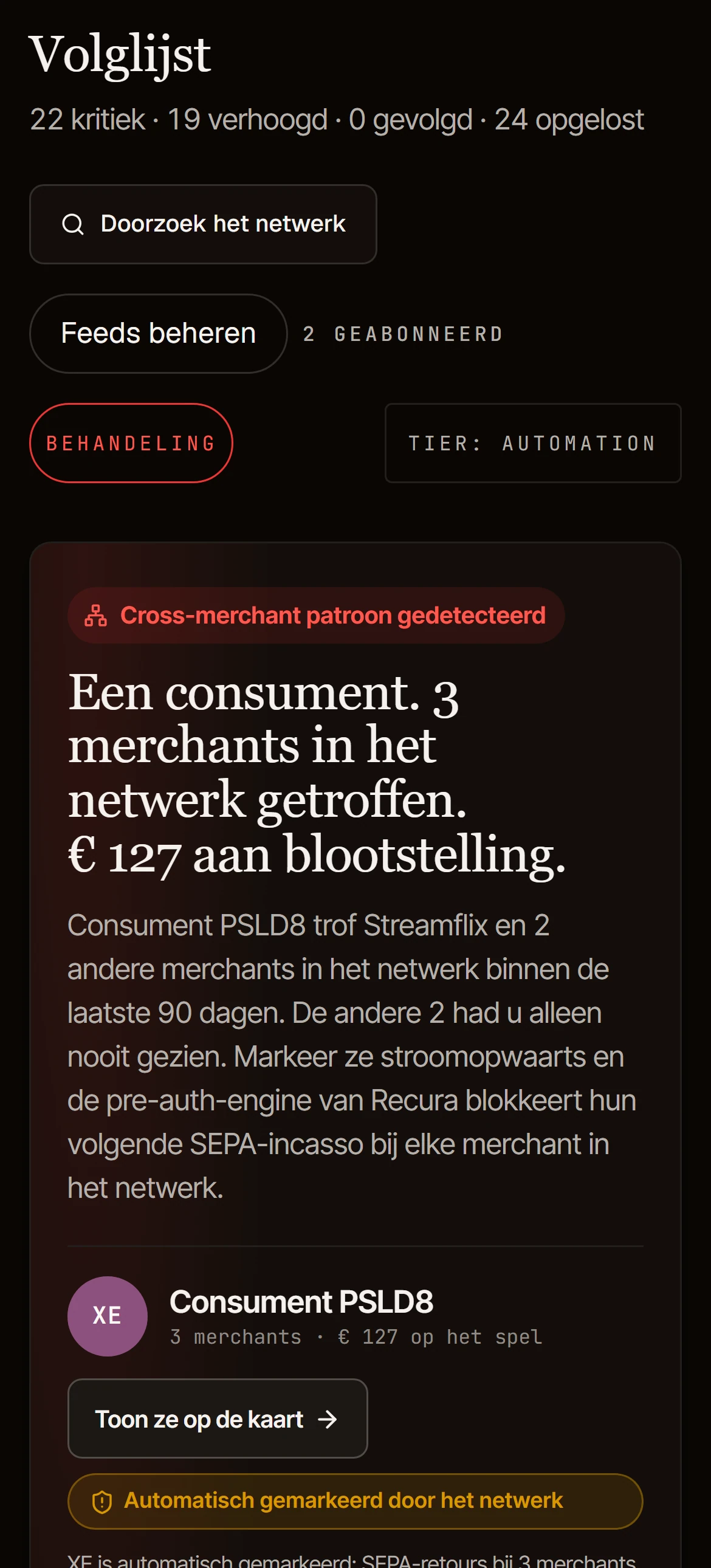
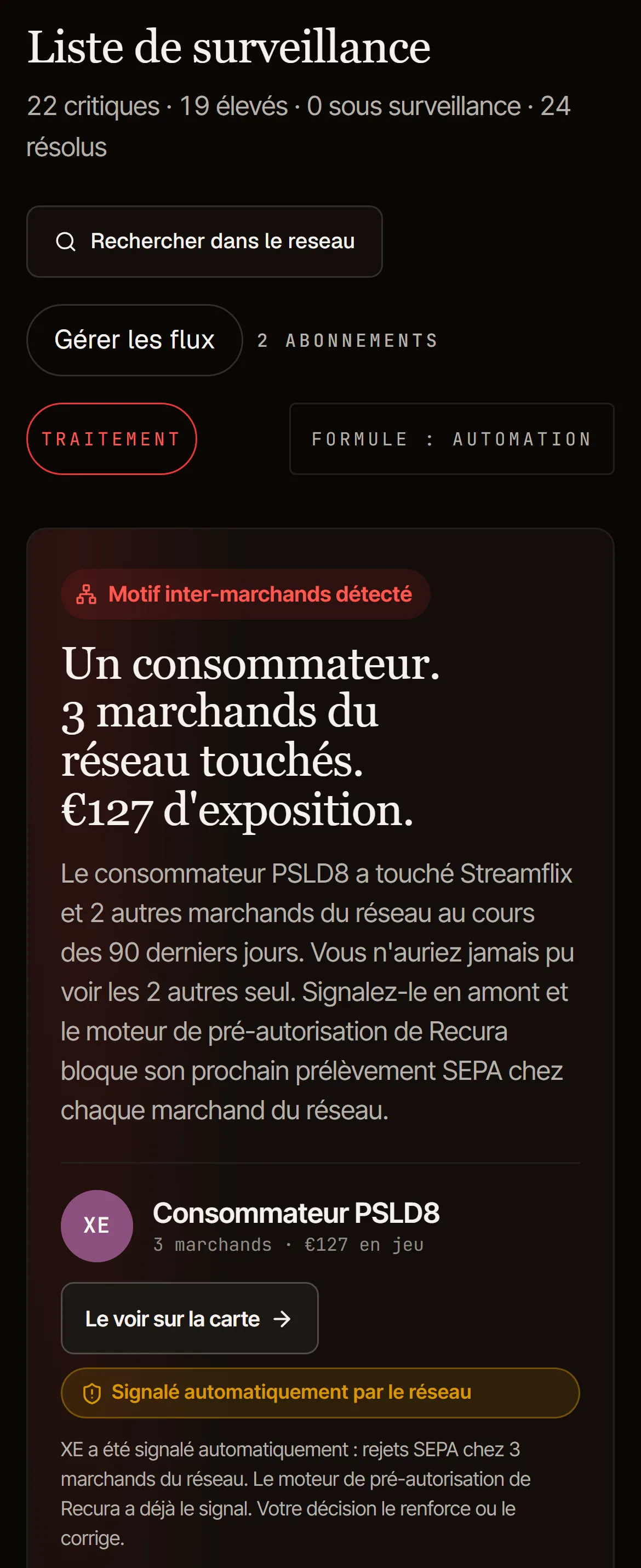
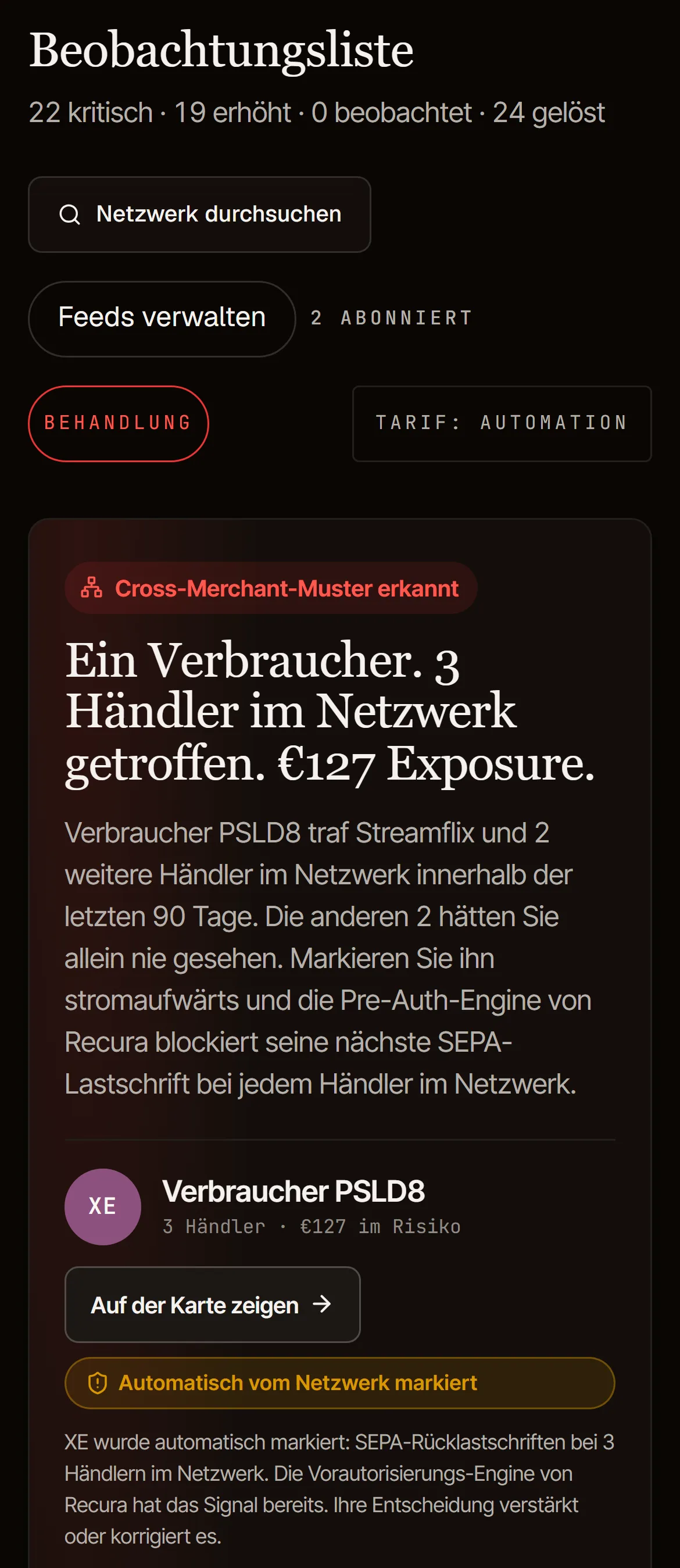
I built the startup a platform that stops businesses losing money to returns: it heads returns off before they happen, and goes after the money when they happen anyway. I refer to it here as Recura.
That paragraph asked whether I had anything for this.
I came back with the product worked out:
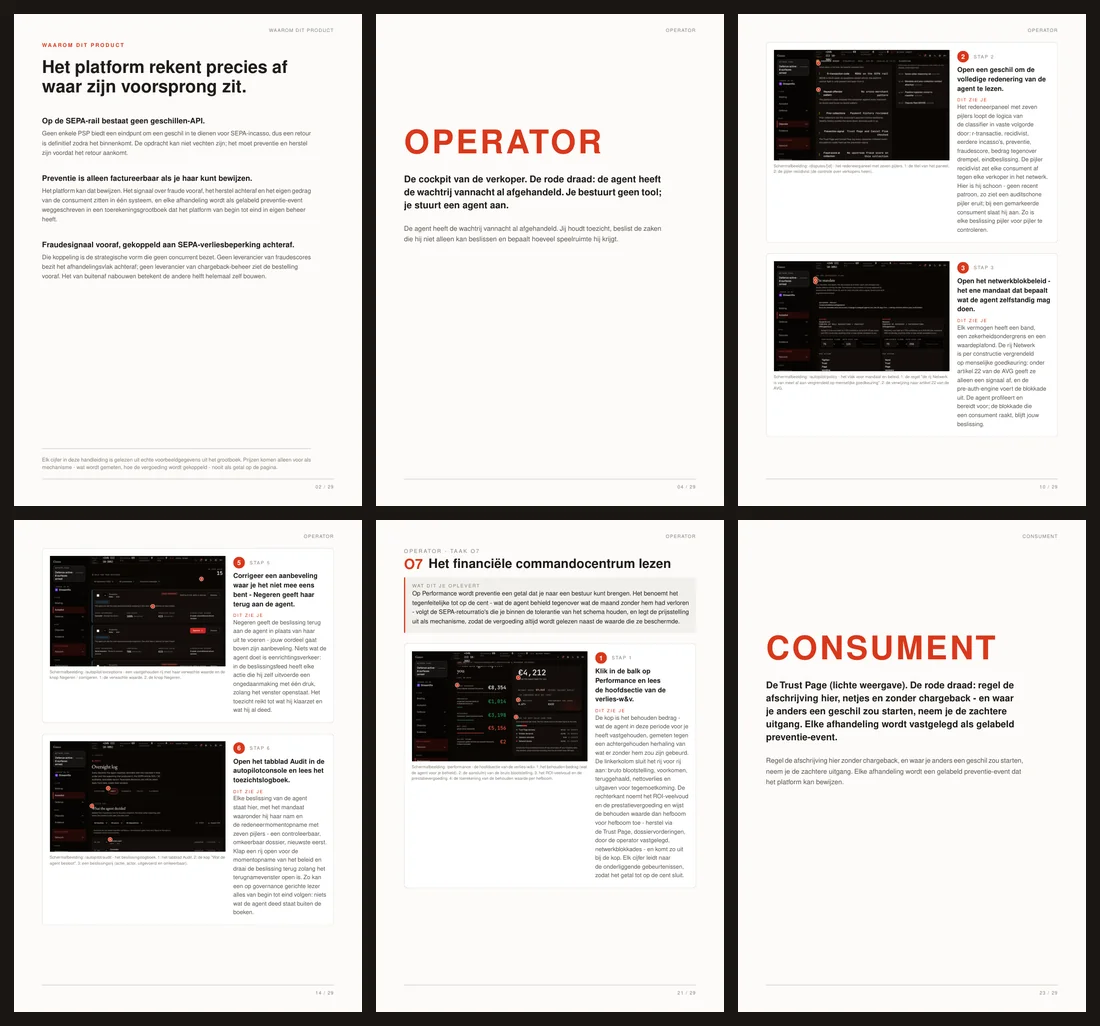
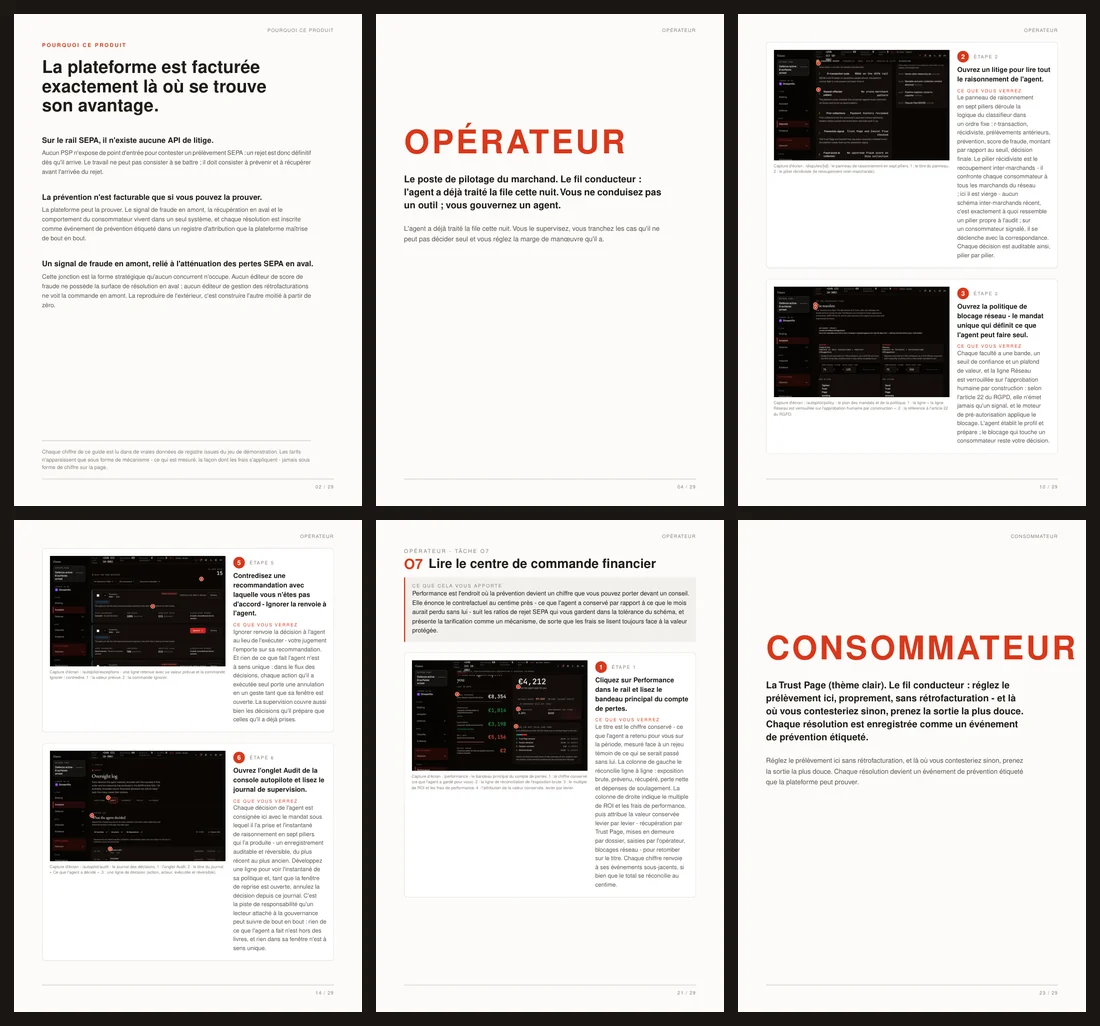
I handed it over with its manual, a guide to running it task by task, and a written procedure for every kind of return and exception, each naming the exact figure at which a person takes over.
Whether yours is the flow nobody wants to open or one that works and still loses money, I see it through from the first look at what it costs you to the day it’s handed back.
I sell that job as eight engagements, each priced below, so you buy as much of it as your flow needs.
€3,000
By the end of the third business day, from a complete question
No access to your systems
Before you sign a payment provider’s contract or pricing schedule, a quote for a payment build or a specification for one, you send it with your one question, and within three business days you know whether to sign it:
two pages, the answer on the first line, the evidence under it with the line of the document each point stands on, and what to ask the other party to change.
€7,500
Ten working days, from complete inputs
Or five working days, for €12,500
No access to your systems
Before you put money behind a decision about one flow, taking it into a new country, signing a contract that doubles what it carries or moving it onto instant payments or onto Wero, you know whether it can take that and exactly what has to change if it can’t:
a written verdict with the evidence behind it, which you can send to anybody from your board to your bank.
€30,000
Four to six working weeks, from complete inputs
Read-only access to what the proposal names
Every hard question about the flow answered while changing an answer still means rewriting a page:
a written specification, yours outright, that any engineer or supplier can build from without asking me, and anybody you ask can quote the Build from, me included.
From €75,000
Eight to twelve working weeks, from an approved design
Working access to the code, development and staging the proposal names
One payment flow of your product, built end to end to what was decided, working on your side and handed over with its manual and a written procedure for each thing that can go wrong.
From €150,000
Four to six months, the deciding done inside
Working access to the code, development and staging the proposal names
The money-moving part of your product, from a paragraph to a system with its manual: how a customer pays, what happens when a payment fails or comes back, what is recorded about every euro, and the page the customer sees.
The fee its proposal states, with no minimum
In writing within two business days of your description
Working access to the code, development and staging the proposal names
When a flow that already runs needs one thing changed, whether I’ve worked on it before or not, that one change is made, accepted and repaired as a Build is, at a fee fixed before you sign.
€2,500 a month, after a Review, a Design or a Build, or from a first month of €5,000
One month at a time
Read-only access to what the proposal names
Somebody senior on the money side, in writing: each change, processor’s letter or quote you put in the queue comes back within three business days: it holds, it breaks something you decided, or it needs a decision, named with who should make it.
€6,000 a month
One working day a week, a month at a time, through the month your own hire starts
Read-only access to the payment systems and payment providers’ dashboards the proposal names
Until you hire somebody senior on the money side, I hold that seat one day a week: every decision on the flow written down with who owns it, your side of your payment providers, the order of the work on the money side, and every change read before it goes live; I recommend in writing, and you sign.
Every price is in euros, excluding VAT.
A proposal dated on or before 31 March 2027 keeps them; after that they rise by a fifth.
or the same paragraph by WhatsApp to +31 6 18652394.
Book half an hour on my booking page, or ask for one by phone or WhatsApp on +31 6 18652394, and I phone you at the time you pick.